
New Construction vs. Resale Homes in Central Texas: Which Fits Your Next Move?
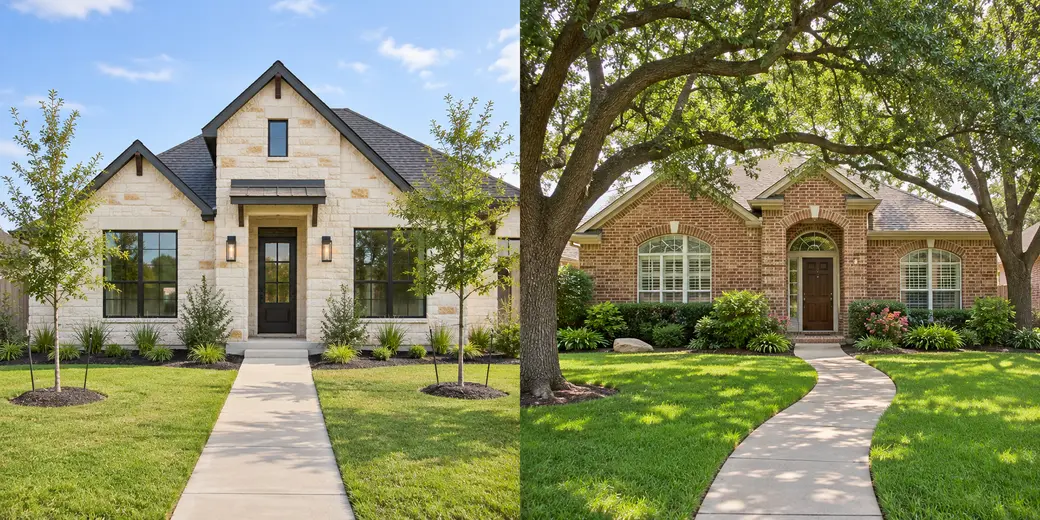
A model home makes it easy to picture a fresh start. So does an established home with a shaded backyard, a kitchen that already works for you, and room to set up the smoker. When you are buying in Central Texas, either one can be appealing. The useful question is which property fits your budget, timing, and everyday life.
From Round Rock and Georgetown to Temple and Killeen, new construction and resale homes give buyers different decisions to make. Instead of assuming that new means trouble-free or that resale always means better value, compare the actual homes in front of you. Here is a practical way to start.
Start With Your Move, Not the Model Home
Write down the date you need to move, the payment you can comfortably manage, and the features you use every day. A home office, a usable garage, accessible entryways, or a particular commute may matter more than an upgraded backsplash. Put those priorities in order before touring.
For a resale home, ask when the seller can deliver possession and whether the proposed timeline works with your lease or current home sale. For a new build, distinguish between a completed inventory home and one that is still under construction. Ask what the estimated completion date depends on and what happens if it changes. A military move or another firm deadline makes those answers especially important.
Compare the Finished Home With the Starting Price
The number on a builder’s sign is a starting point for questions. Ask for a written breakdown showing the particular lot, floor plan, structural selections, finishes, and other items included in the quoted price. Then ask what you would still need after closing, such as window coverings, appliances, fencing, or landscaping. Inclusions differ by property and builder.
Apply the same discipline to a resale home. Identify the work you would want immediately and the maintenance you could reasonably plan for later. A lower purchase price does not tell you the cost of replacing a roof, and a higher price does not prove that a home is ready for every buyer’s needs. Get estimates for meaningful projects before treating either option as the obvious bargain.
Look Past the First Monthly Payment
If a builder offers a financing incentive, ask for its conditions in writing. Is it connected to a particular lender, purchase deadline, or loan program? If the offer includes a temporary payment reduction, what will the payment be when that reduction ends? Ask the lender to walk through the full payment schedule.
Compare Loan Estimates for similar loan types and terms, looking at interest, lender charges, credits, cash to close, and the payment beyond any introductory period. The Consumer Financial Protection Bureau recommends comparing multiple offers rather than choosing from the advertised rate alone. [1]
Include property taxes, homeowners insurance, any mortgage insurance, association dues, and other applicable charges in your comparison. Ask how tax and insurance estimates were calculated for that specific property. An estimate based on different assumptions can make one payment look artificially easier to manage.
Treat Condition as a Question for Both Options
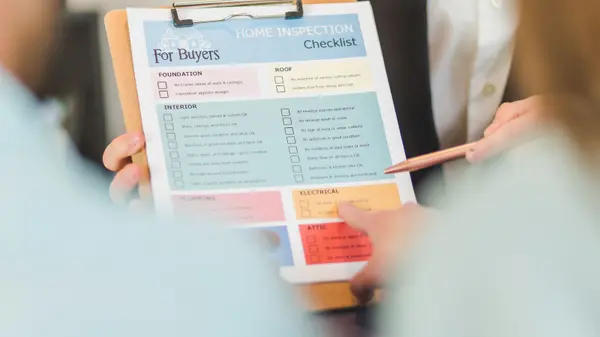
A newly built home still deserves an independent inspection. Ask about inspection access, scheduling, and how findings will be addressed before signing the purchase agreement. The CFPB recommends arranging an independent inspection early enough to leave time for follow-up evaluations. [2]
With a resale property, request available maintenance records and review the seller’s disclosures with your agent. Let an inspector evaluate the home’s condition rather than guessing from fresh paint or a recent remodel. For either purchase, ask what could not be inspected and which concerns need a specialist. An appraisal and a condition inspection serve different purposes.
Read the Warranty Before You Need It
A builder warranty can be useful, but coverage is limited by its written terms. The Federal Trade Commission explains that covered components, time periods, exclusions, and claim procedures can differ. Ask who handles a claim, how to submit it, and which responsibilities remain yours. [3]
For an existing home, a service contract sometimes called a home warranty is different from a builder warranty. It may carry extra costs, limits, or exclusions. Review the actual contract rather than assuming that a warranty label means any future repair will be paid for. Keep the inspection, warranty, and insurance conversations separate so you understand what each one does.
Visit the Neighborhood You Would Actually Live In
Tour the area at times that resemble your normal routine. Try the drive to work, notice road access, and confirm the services you need at the property address. In a developing community, ask which amenities already exist and which are planned. Treat a planned feature as a question to verify, not a promise to build your purchase around.
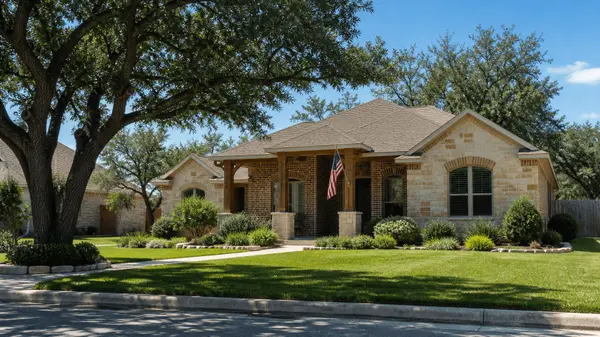
An established neighborhood deserves the same attention. Look beyond mature trees or an attractive street and consider the specific home’s upkeep, layout, and location. Make your own comparisons using the features and destinations that matter to you, rather than relying on broad claims about who a neighborhood is right for.
Leave Room for Your Kind of Texas Backyard
Jackie’s BBQ side offers a useful reminder: outdoor space should work for real life. Picture the table, seating, grill, or smoker you already own. Is there a sensible route from the kitchen? Room for guests? Space to maintain the equipment and use it according to its instructions?
Review applicable HOA rules, deed restrictions, and approval requirements before assuming that you can add an outdoor kitchen, shed, or patio cover. Texas REALTORS® recommends reading association rules and considering their costs before buying in an HOA. [4] A backyard that looks generous in a photo may still need a closer look at its usable space.
Make the Comparison Before You Commit
Before visiting a builder or making an offer, talk with your agent about representation, services, and compensation. Ask how you will be represented throughout the transaction and how any builder registration policy affects the process. Do not assume that a sales presentation answers those questions.
The Huff Realty Team can help you compare homes, organize questions, and weigh the tradeoffs against your plans. Whether you choose new construction or resale, aim for a decision you understand before the paperwork and moving boxes arrive.
Ready to compare your options? Contact Jackie Huff at 512-635-3347 or visit The Huff Realty Team to start planning your Central Texas home search.
Huff Realty Team, brokered by Classic Realty
Sources
1. CFPB: Compare and negotiate your loan offers
2. CFPB: Schedule a home inspection
3. FTC: Warranties for New Homes
4. Texas REALTORS®: Questions to Ask Before You Buy in an HOA
Categories
Recent Posts





GET MORE INFORMATION

Team Lead, Realtor, MRP License ID: 715411
+1(512) 635-3347 | jackiehuffbuyselllease@gmail.com