
What Central Texas Home Inspections Cover — and What They Don't
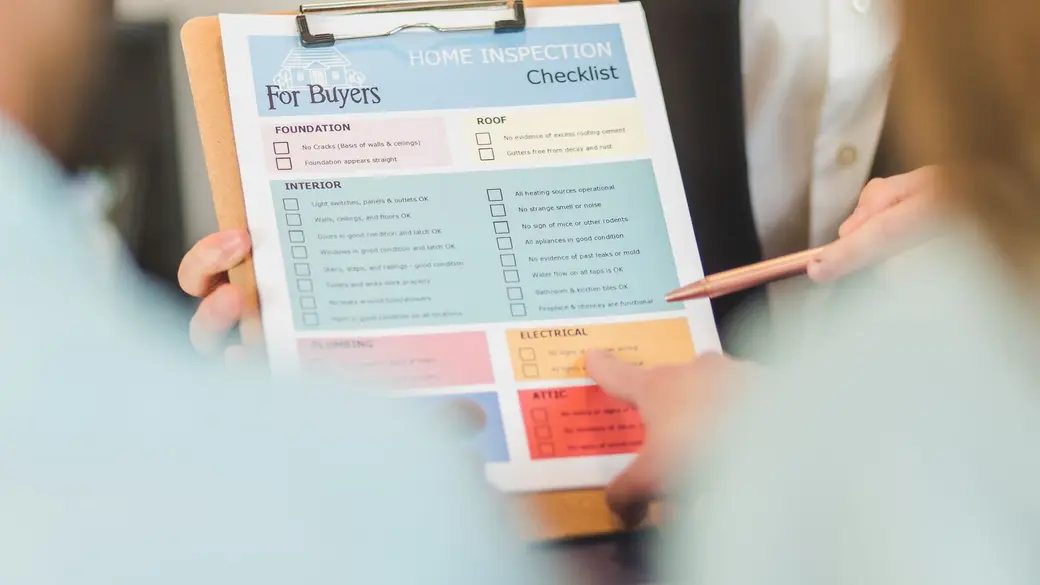
An inspection is one of the few chances you get to look at a home carefully before you own it. It is also one of the most misunderstood steps in a Texas purchase. Here is what an inspector actually does, what they leave to other specialists, and how to use the report once you have it.
What a home inspection is — and is not
A standard inspection is a visual, non-invasive review of the home's accessible systems and components. The inspector is looking for defects, safety concerns and items that need further evaluation. It is not a warranty, it is not a code-compliance inspection, and it is not the same thing as an appraisal. The appraisal is for the lender; the inspection is for you.
What inspectors typically check
- Foundation, grading and signs of structural movement
- Roof covering, flashings and visible attic conditions
- Heating, ventilation and air conditioning equipment
- Plumbing supply, drains and water heating
- Electrical service, panels, outlets and fixtures
- Exterior walls, windows, doors, decks and drainage
- Built-in appliances, when included in the scope
Inspectors cannot see inside walls or under floors, and they do not take systems apart. Their value comes from catching visible warning signs and telling you where a specialist should go next.
Central Texas issues worth watching
Local conditions shape what matters here. Expansive clay soils can contribute to foundation movement, so grading, drainage and visible cracking deserve attention. Hail and summer heat put stress on roofs and HVAC systems. In rural areas, septic systems and wells may need separate evaluations. If the home has a pool, a separate pool inspection is usually the right call.
What inspections usually do not cover
- Wood-destroying insects, which typically require a separate WDI report
- Mold testing, indoor air quality or radon
- Sewer line scope, unless you specifically order it
- Structural engineering opinions or foundation repair design
- Permits, code compliance or work done without documentation
- Cosmetic preferences and items the seller has disclosed
Your option period is the deadline that matters
In Texas, buyers and sellers typically negotiate a contract with an option period — a short window during which you can inspect the property and cancel for any reason for a non-refundable option fee. That window is when inspection negotiations happen. Once it ends, your leverage changes.
Before the option period ends, decide what you want to ask for. Safety and major systems usually come first. Then weigh repairs against a credit, and ask for estimates before you make a request. A seller is more likely to respond to a clear, well-supported list than to a long list of small cosmetic items.
How to read the report without panicking
Almost every inspection report is long. Most items are maintenance notes, not deal-breakers. Read for categories: safety issues, active water intrusion, major systems near the end of their life, and anything that could affect insurance or financing. Then talk through the options with your agent rather than reacting to the report line by line.
Our buyers guide walks through the full contract-to-closing timeline, including the inspection stage.
Next step
If you are buying in Central Texas, we can recommend inspectors and help you plan the option period before you write the offer — not after.
Categories
Recent Posts









GET MORE INFORMATION

Team Lead, Realtor, MRP License ID: 715411
+1(512) 635-3347 | jackiehuffbuyselllease@gmail.com